TikTok’s newly updated U.S. privacy policy has sparked a wave of anxiety and calls for a boycott among users after the document explicitly listed “citizenship or immigration status” among the types of sensitive information the platform may process.
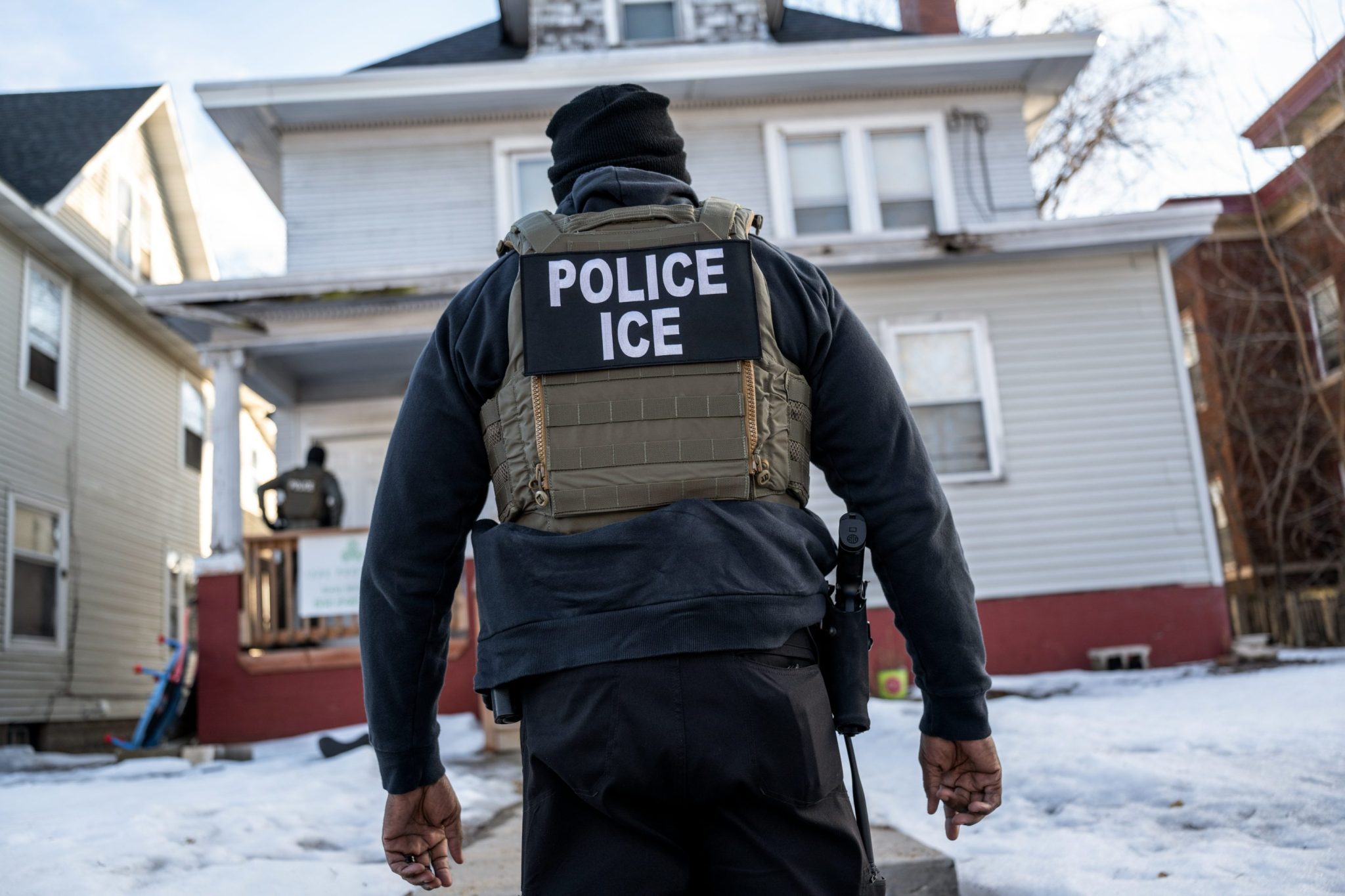
The panic was likely fanned in part by U.S. Immigration and Customs Enforcement’s (ICE) recently expanded enforcement in Minnesota, as well as the fatal shooting of 37-year-old protester Alex Pretti.
The immigration-specific language, however, appears to be driven more by timing and blunt legal language than by a new data-grab in this area, according to experts.
The specific wording related to “immigration status” appeared in multiple earlier versions of TikTok’s policy, including the most recent version from Aug. 19, 2024, said Paromita Pain, a professor of global media at the University of Nevada, Reno.
“[Concern] appears to be resurfacing now because TikTok forced users to accept an updated policy after its U.S. ownership and operational restructuring, which drew attention to sections many people had never read,” Pain told Fortune.
The blunt language on “immigration status” is tied to state laws such as the California Privacy Rights Act and the California Consumer Privacy Act, which aims to give the state’s citizens more control over how businesses use their “sensitive personal information.” Due to a bill signed into law by California Gov. Gavin Newsom that took effect in 2024, this category includes “citizenship or immigration status.”
Yet, TikTok’s new policy states the company will process this sensitive information “in accordance with applicable law,” and explicitly cites the California Consumer Privacy Act as an example of the laws governing that process.
While the language around immigration status may not be novel, the company’s privacy policies changed in other areas, Pain said. Under the new U.S. privacy policy, TikTok says it can now collect either a user’s approximate or precise location if the user grants permission.
Previously, the app collected location data through users’ SIM card or IP address. Yet, at least one previous version of the app, according to its privacy policy from 2024, did not collect GPS-based location information: “Current versions of the app do not collect precise or approximate GPS information from U.S. users,” the old policy read.
The company plans to release a new feature that will give users the option to opt into location sharing with TikTok in the U.S. The feature has no set launch date and sharing location data will be optional and opt-in.
TikTok did not immediately respond to Fortune‘s request for comment.
Privacy backlash
While some of the changes related to immigration may not be new, TikTok’s privacy policy update highlighted the extent of data collected by social media platforms.
Other companies such as Meta have faced scandals that have also shaped public skepticism about how big tech companies handle personal information. One of the most famous is the Cambridge Analytica scandal, which came to light in 2018. The British consulting firm Cambridge Analytica gained access to the data of an estimated 87 million users, according to Meta, including that of Facebook users and their friends who had not opted in to such use of their data, through a third-party app. Meta in 2022 agreed to pay $725 million to settle a class-action privacy lawsuit connected to the scandal, without admitting wrongdoing. In 2019, Meta also paid a $5 billion fine to the Federal Trade Commission and faced new restrictions for “violating consumers’ privacy,” according to the agency.
After U.S. users received an in-app notice about updated privacy terms amid changes to TikTok’s creation of a U.S. joint venture last week, users reacted with posts calling for a boycott of the app.
The fears, especially about the language on immigration and citizenship, were amplified by the broader political climate, said Usha Haley, a professor of international business and management at Wichita State University. In Minnesota, thousands of demonstrators have protested against expanded federal immigration enforcement in the state in recent days, especially after U.S. border patrol agents fatally shot a 37-year-old protester Saturday.
The Trump administration has also in recent months amped up its scrutiny of social media activity for certain immigration and travel purposes. A proposal filed in December by U.S. Customs and Border Protection would require certain visitors to the U.S. to submit the past five years of their social media history as part of the vetting process to enter the country.
Because of the data TikTok and other social media apps collect, users should be careful about what they post, and possibly update their privacy settings to better protect their personal data, Haley told Fortune.
“I do think [the TikTok worries] indicate that people are wary of the political climate, of what rights they’re losing, of how much protection they have,” she said. “And I don’t think that is so unreasonable, given the developments that have taken place recently.”
This story was originally featured on Fortune.com
Credit: Source link