Welcome to this week’s Food Exec Brief, your strategic intelligence roundup covering the critical underestimation of geopolitical risk threatening industry resilience, FDA health guidance forcing supply chain transformation, and GLP-1 drugs fundamentally reshaping consumer nutrition demands.
Key takeaways:
- ⚠️ Leadership blind spots create existential vulnerability: Industry consultants reveal C-suite executives severely underestimate geopolitical risk while change fatigue prevents coherent transformation, Coca-Cola misses revenue expectations despite premium brand growth demonstrating market fragility, and Kraft Heinz abandons separation plans signaling deeper strategic uncertainty across big food.
- ⚖️ Regulatory mandates force operational overhaul: FDA healthy guidance creates market reset requiring comprehensive reformulation, clean-label substitutions introduce sourcing constraints and quality complexity, and early-mover advantage locks in alternative suppliers while delayed response becomes exponentially expensive.
- 🍽️ Consumer disruption accelerates structural change: GLP-1 drugs expose widespread nutritional gaps in processed foods, appetite suppression reduces grocery spending 5-11% while demanding protein and fiber intensity, and food manufacturers must redesign products around nutrient density or face category irrelevance.
- 🤖 Technology integration delivers competitive separation: Mars and PepsiCo launch breakthrough AI playbook transforming R&D operations, smart manufacturing empowers frontline workers through connected systems rather than replacement, and AI-driven insights create 72% faster onboarding while preventing 100+ hours annual downtime.
⚠️ Strategic crisis: Executives underestimate geopolitical threats as transformation stalls
Leadership gaps create dangerous vulnerability across industry:
- C-suite leaders severely underestimate geopolitical risk, with Argon & Co research revealing many executives fail to prioritize geopolitical threats in resilience planning while focusing on cost pressures and workforce gaps, creating dangerous exposure as global landscape shifts threaten supply chains and competitive stability overnight. Learn more.
- Coca-Cola reports first revenue miss in five years, with quarterly sales of $11.82 billion falling short of $12.03 billion Wall Street expectations while premium brands like Smartwater and Fairlife show growth, demonstrating market fragility as budget-conscious consumers reduce spending while international markets struggle with slower demand recovery. Learn more.
- Kraft Heinz abandons company separation plans, with new CEO Steve Cahillane pausing previously announced split to focus $600 million investment on returning business to profitable growth, signaling strategic uncertainty after company recorded $5.9 billion fiscal 2025 loss driven by massive non-cash impairment charges. Learn more.
Why it matters: Strategic disorientation at C-suite level creates systemic vulnerability. Underestimating geopolitical risk while struggling with basic operational execution leaves companies dangerously exposed to supply chain disruption, competitive threats, and market volatility that could eliminate unprepared competitors.
⚖️ Regulatory transformation: FDA healthy guidance forces supply chain reckoning
Health mandates create comprehensive operational challenges:
- FDA healthy guidance forces product reformulation crisis, with rule effective February 25, 2025 and full compliance required by February 2028 creating market reset as consumer expectations move faster than regulatory deadlines, forcing brands to reformulate early or face competitive obsolescence while clean-label substitutions introduce sourcing constraints and cost volatility. Learn more.
Why it matters: Reformulation represents supply chain transformation, not just R&D challenge. Companies treating FDA guidance as compliance requirement rather than strategic opportunity face exponentially expensive delays while early movers lock in alternative suppliers, prioritize SKU portfolios strategically, and use direct sourcing to control costs and reduce risk.
🍽️ Consumer revolution: GLP-1 drugs expose nutritional inadequacy crisis
Appetite-suppressing medications fundamentally alter food requirements:
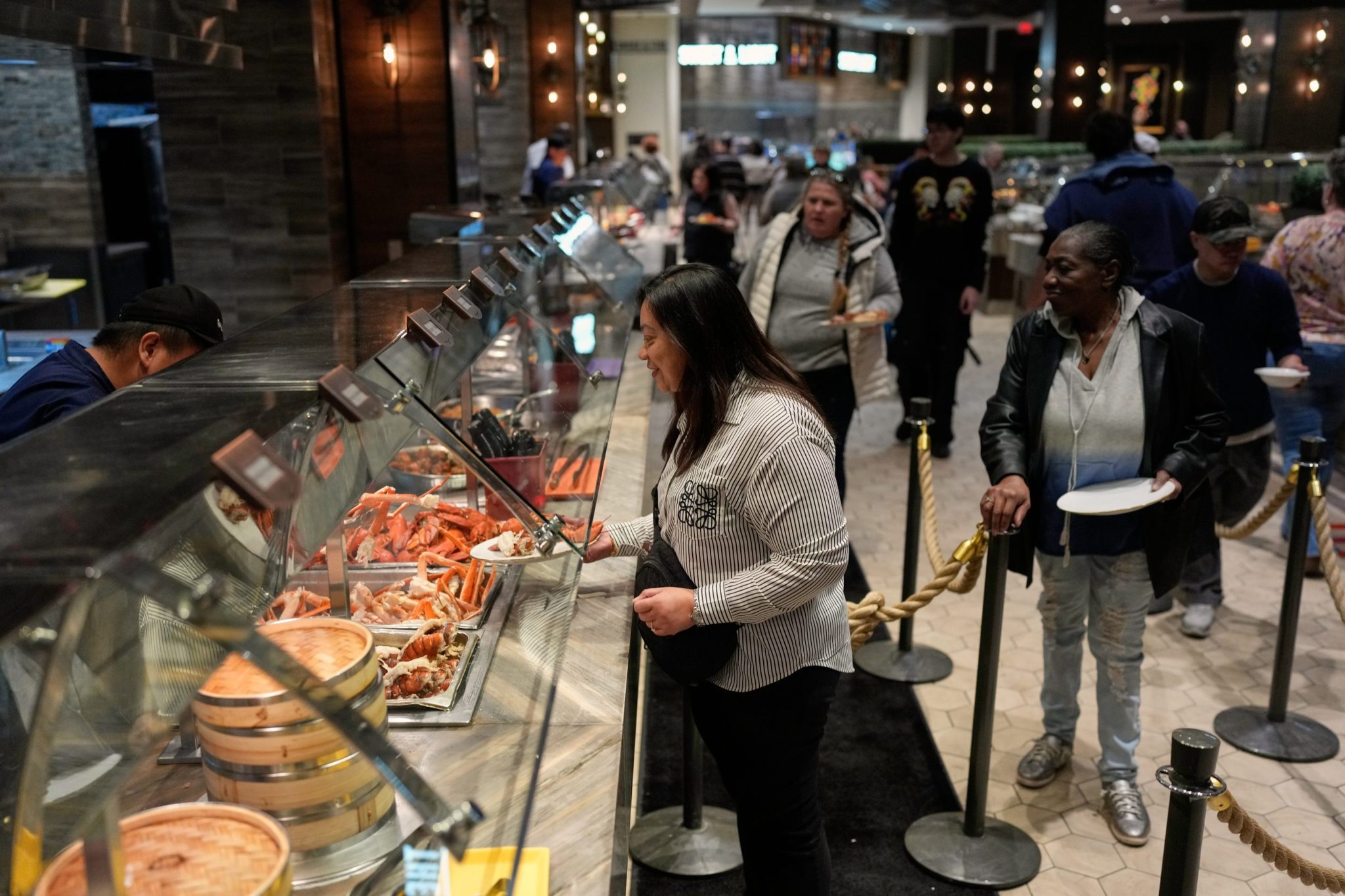
- GLP-1 drugs expose widespread gaps in nutrient density, with roughly one in four US households including GLP-1 users who reduce calorie intake 16-40% while risking lean muscle loss up to 40% of total weight lost, forcing manufacturers to redesign products around protein, fiber and micronutrients as consumers demand more nutrition per bite rather than volume or indulgence. Learn more.
Why it matters: GLP-1 adoption creates structural demand shift, not diet trend. Economic analyses show 5-11% grocery spending reduction among GLP-1 households with discretionary categories like snacks and baked goods hit hardest, while empty-calorie products face elimination as consumers eating less require genuine nutrient delivery rather than bulk filling.
🤖 Innovation acceleration: Technology creates insurmountable competitive advantages
Advanced systems transform operations and workforce capabilities:
- Mars and PepsiCo launch GenAI playbook for food R&D, with senior innovation executives joining Amcor, Bayer, Stepan, and Procter & Gamble leaders to release open-source resource addressing how organizations move beyond efficiency gains to deliver breakthrough innovation through six-month CTO Forum collaboration. Learn more.
- Smart manufacturing empowers workers alongside automation, with Deloitte 2025 survey revealing 85% of manufacturers believe smart manufacturing transforms factories while connected worker platforms guide less-experienced employees through complex tasks, cutting onboarding time 72% and improving workforce productivity 18% through real-time proficiency assessment. Learn more.
Why it matters: Technology innovation creates insurmountable competitive separation through superior safety performance, cost reduction, and workforce capability enhancement. Companies failing to invest in advanced systems face elimination from quality-conscious supply chains while competitors capture talent through tools amplifying human capability rather than attempting replacement.
The Food Exec Brief provides weekly insights for food and beverage manufacturing leaders and publishes every Friday. Want to get essential food industry news delivered to your inbox? Sign up for our weekly and daily newsletters.

Credit: Source link